
The College Tour Questions Families Forget to Ask (But Shouldn’t)

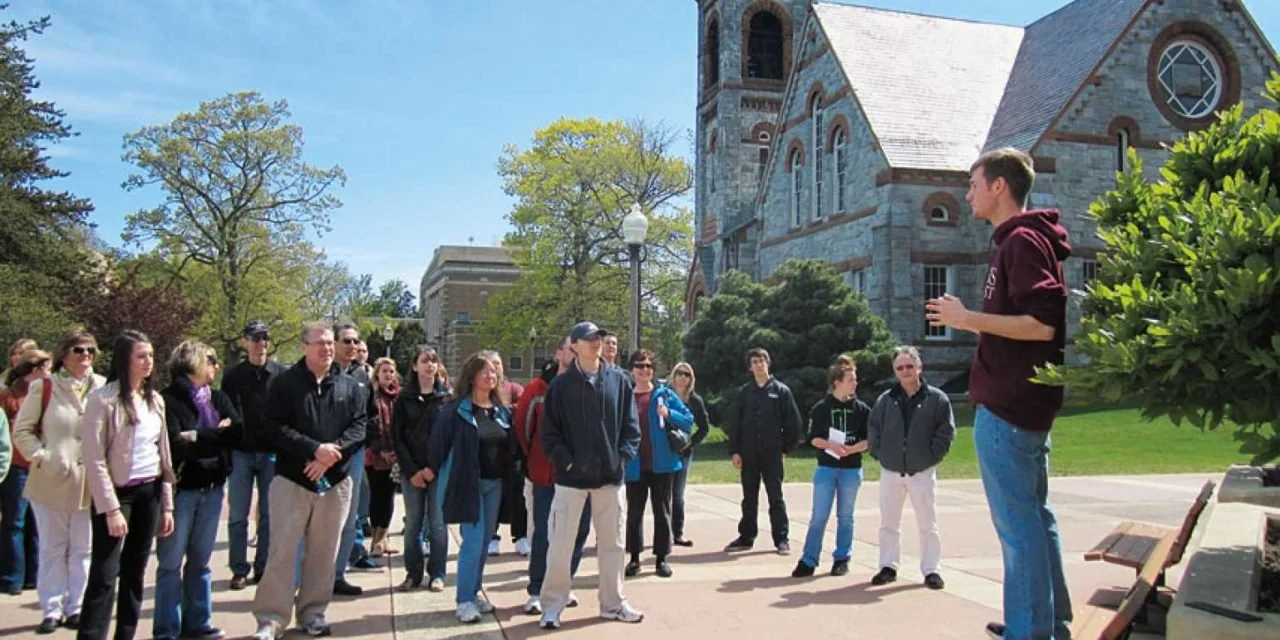
With winter and spring breaks on the horizon, many will use at least some of this time to tour colleges with their high schoolers. College tours are exciting. Campuses look beautiful. Guides are enthusiastic. Most tours follow a similar formula, highlighting campus facilities, majors, reputation, and student traditions.
After touring many campuses myself, I’ve seen firsthand that some of the most important parts of a student’s experience rarely come up on tours. Not because schools are hiding anything, but because families don’t always think to ask. Later on, those “little things” can start to matter a lot more than anyone expects.
When students feel overwhelmed in college, people often point first to social adjustment, but academics, expectations, and everyday logistics can play an equally important role in how supported and confident they feel. So as you visit campuses and research colleges, here are some questions worth adding to your list to help you look beyond the tour script.
Remember To Ask About…
Getting Into the Classes You Need
One of the most important things to understand is how easy it is to get into the classes you actually need. It is natural to assume that if a school offers your major, everything will fall into place. In reality, that is not always true. At some colleges, popular majors are crowded, and registration can be stressful, especially in the early years.
A helpful way to ask this is: “How easy is it for students in this major to get into their required classes?” You are listening for specifics about waitlists, priorities, and whether students tend to stay on track.
Access to Clubs and Student Organizations
Another area that surprises many students is how competitive student organizations can be, especially at selective colleges. Many teens imagine that joining clubs and activities will be simple. At some schools, that is true. At others, even clubs have applications, auditions, or limited spots.
You might ask, “For the clubs and activities I’m interested in, how easy is it to become a member?” This can give you a better sense of how accessible campus life really is, especially for students who plan to build their community through extracurriculars.

Housing After Freshman Year
Housing is another topic that often gets overlooked after freshman year. Most colleges guarantee housing for first-year students, so it is easy to assume that it will continue. But at some schools, finding housing later on can be stressful (and expensive!).
A good question is: “What do most students do for housing after their first year, and how smooth is that process?” This helps families understand what life might look like sophomore year and beyond.
Career Support and Exploration
Career services is something every school highlights, but the quality and style of support can vary widely. Some offices focus mainly on resumes and job postings, while others take a more personal approach and help students explore who they are and what they want.
You can ask, “Can you give some examples of how career services has helped you explore your interests and career paths?” Real stories are often more revealing than general descriptions.
Mental Health and Wellness Resources
Mental health support is another area where it is important to look beyond marketing language. Most campuses talk about wellness, but access and availability are what really matter when a student needs help.
Asking, “If a student wants counseling or a doctor’s appointment, how quickly can they usually get an appointment?” can provide valuable insight. This is not about expecting problems. It is about knowing what support is available when challenges arise.

Relationships with Professors and Class Size
Finally, it is worth learning how easy it is for students to build relationships with professors. These connections can be incredibly meaningful and can influence everything from confidence to future opportunities.
You might ask, “How common is it for students to interact with professors outside of class?” and “What is the balance between large lectures and smaller classes?” Together, those answers can paint a clearer picture of the academic environment.
Why These Questions Matter
These questions rarely show up in rankings or brochures in any meaningful way. After all, colleges are businesses, which families don’t always consider when visiting schools. They are not the flashy parts of college marketing, but they shape daily life in ways that really matter. They influence how supported students feel, how comfortable they are asking for help, and how connected they become to their campus.
As a college admissions consultant, I often remind families that the “best” college is not the most impressive name on a list. It is the place where a student can grow academically, socially, and emotionally. That kind of growth is much more likely when families understand what life is actually like beyond the tour route.
Final Thoughts
When you ask these questions, try not to rely only on official answers. Talk with current students. Ask follow-up questions on tours. If you have the chance, chat with resident advisors or peer mentors. Most students are honest when they feel you are genuinely interested.
The goal is not to find a perfect school. Every college has challenges. The goal is to find a place that fits your student’s needs, personality, and goals. And that starts with asking the right questions before committing.