
The College Tour Mistake Most Families Don't Know They're Making
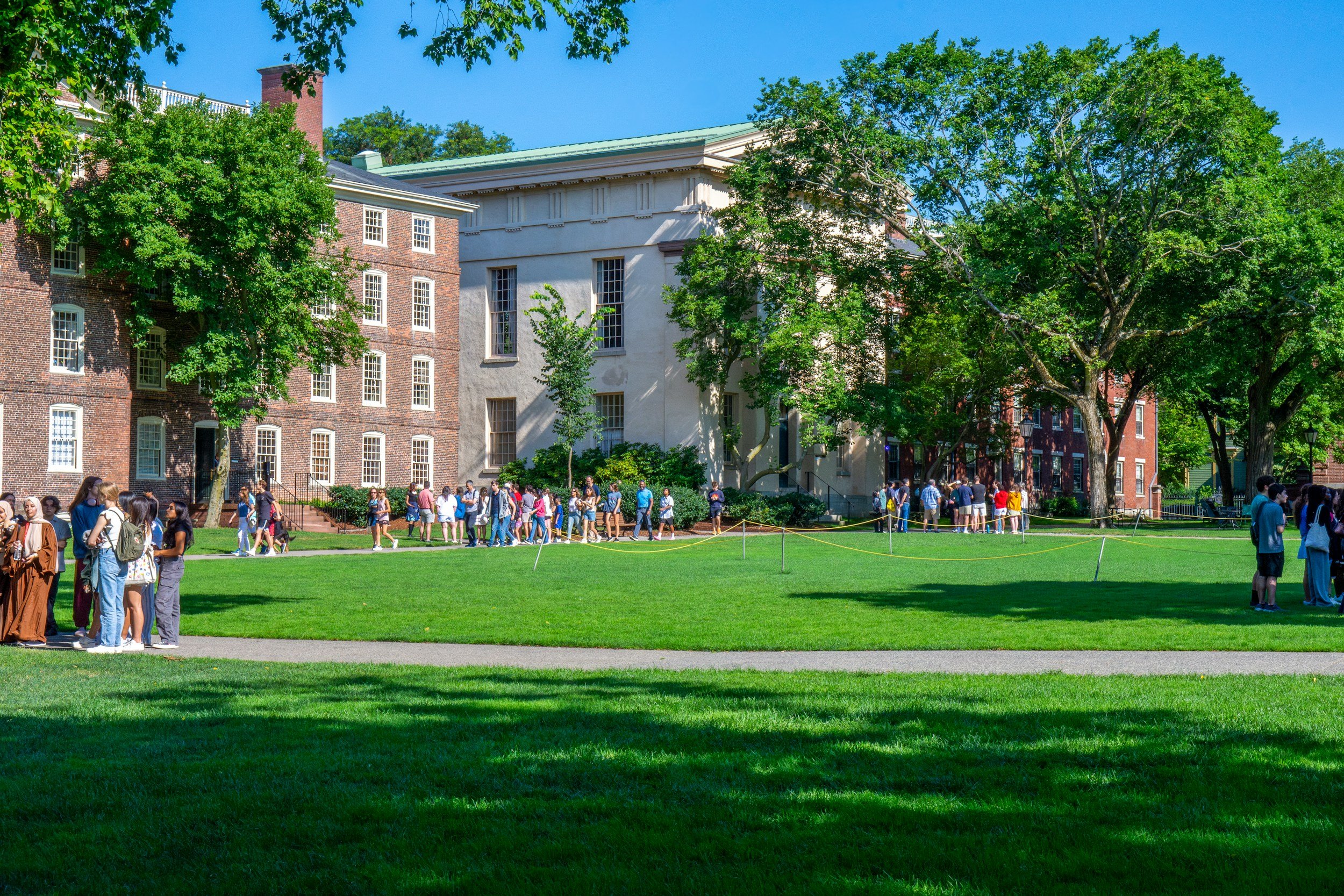
There is no shortage of advice about how to make the most of a college tour. Wear comfortable shoes. Ask the tough questions. It is good advice, and I have written some version of it myself.
But there is a piece of the touring conversation that does not come up often enough, and it has nothing to do with what you ask or what you wear. It depends on which schools you visit first.
Most families start their campus visits with the schools at the top of the list. The ones with the name recognition. The ones the student has possibly been eyeing for years. And I understand the impulse. Those are exciting schools.
The problem is that for many students, those schools are also unlikely admits. When a college accepts fewer than 20% of applicants, the odds are long for almost everyone. That is not a commentary on any particular student (many of the rejected students at these schools are just as qualified as the ones accepted). It is just math. And still, that is often where families begin. I encourage my families to flip the sequence.
Start With the Schools Where Admission Is Realistic
I do not love the term "safety school." It implies that a school is a consolation prize, a fallback, something less than. That framing does the school a disservice and, more importantly, it does the student a disservice. What makes a school a likely or a maybe is specific to each student, and that is exactly why a well-built list looks different for everyone. Each school on a well-built list has a real place on it. The problem is when families treat only the most selective ones as worth getting excited about.
And here is something worth saying plainly: a likely or maybe school tour can surprise you. The way a student feels walking across the quad or sitting in on a class has very little to do with acceptance rates. Some of the most enthusiastic reactions I have seen on tours were at schools that would never make a magazine's top ten list. That reaction is real, and it is worth something.
Starting tours with likely and maybe schools gives a student the chance to fall in love with those places before the aspirational schools enter the picture. That matters more than it sounds. When a student tours a highly selective school first and genuinely connects with it, everything else can start to feel like a downgrade by comparison. The likely school that would have been a genuine fit gets a less generous look, measured against a campus the student probably will not attend (again, the math…).
None of this is to say that aspirational schools don't belong on the list. They do. Reaching can be a healthy part of the process. The point is simply that it is easier to build excitement from the ground up than to work backwards from a school that may not work out. A student who starts with a likely school and builds toward an aspirational one is in a much stronger position than one who does it the other way around.
What This Looks Like in Practice
For families just starting the college process, here is how I think about structuring the touring calendar, whether you are visiting in person or exploring virtually.
Begin with one or two likely schools. These do not need to be the schools that will end up on the final list. Think of them as calibration visits. They help a student develop a sense of what they are looking for: campus size, setting, academic culture, social environment, etc. That self-knowledge is genuinely useful when evaluating every school that follows. If travel is not possible, most colleges now offer solid virtual tour options, and the same principle applies. Start with the likelies before queuing up the aspirationals on your screen.
From there, layer in the maybe schools. At this point, the student has a frame of reference. They know what resonated and what did not. They can evaluate these schools with more clarity and less noise.
Aspirational schools can come later in the process, ideally after the student has already connected with at least a few realistic options. By then, the visit becomes lower-stakes. A student who already has a school they are excited about can tour a highly selective campus with curiosity rather than pressure. If it sparks something, great. If not, that is useful information too.

Why the Order Can Make a Difference
Families sometimes push back on this sequence, worried that starting with likely schools sets the wrong tone or dampens a student's ambition. I would argue the opposite. A student who has already found schools they genuinely like approaches the rest of the process from a position of strength. The aspirational school becomes something to reach for, not the only acceptable outcome.
The college process is long, and the emotional stakes are real. One of the most painful outcomes I see is a student who falls hard for a school early on, gets waitlisted or denied, and then struggles to get genuinely excited about the schools they were admitted to. Unfortunately, those feelings are much harder to work through when the likely and maybe schools were always treated as lesser options.
Touring in the right order does not lower expectations. It builds a foundation. And students who feel good about their options, across the full range of their list, tend to have a much steadier senior year.
Final Thoughts
The order in which you tour colleges is a small decision that can have a real impact on how a student feels about their options come spring of senior year. It is not outcome-determinative to visit a likely or maybe school first. And when a student arrives at decision day genuinely excited about more than one option, that is not a small thing. These schools deserve a fair shot, and so does your student.